
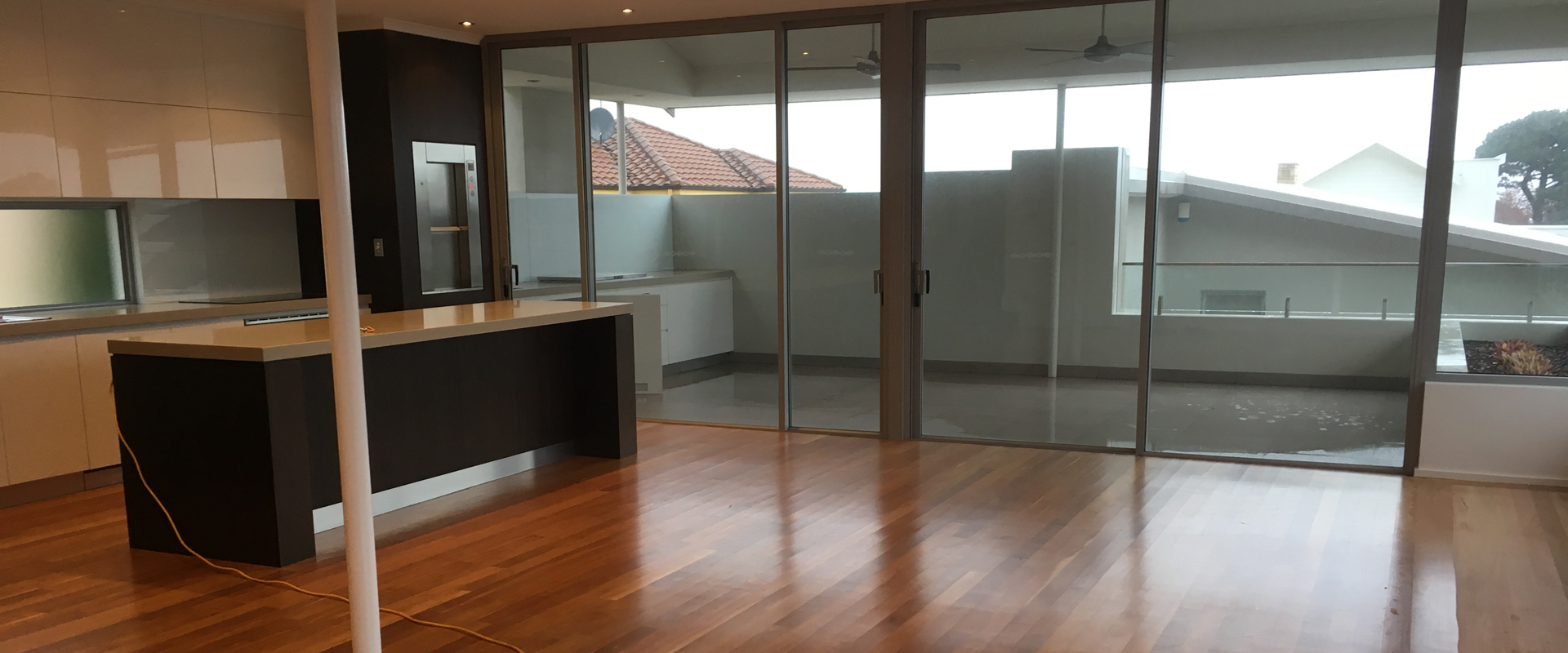
Choosing the right flooring can transform your home's appearance, comfort and functionality. With a wide range of colours, textures, thicknesses and finishes available, laminate flooring offers homeowners an attractive option for updating living rooms, bedrooms and other suitable indoor spaces.
But how do you choose the best laminate flooring for your home? The key is to consider your lifestyle, room conditions, durability requirements, design preferences and budget before making a decision. Comparing these factors can help you select flooring that looks great and performs well over time.
What Should You Consider Before Choosing Laminate Flooring?
Start by thinking about how each room is used. A busy family living area may need a more durable surface than a spare bedroom that receives occasional use.
- Durability: Check the product's wear rating and manufacturer specifications to understand its suitability for your household.
- Appearance: Choose a colour and texture that complement your furniture, wall colours and interior style.
- Maintenance: Look for a surface that is easy to clean using the recommended care methods.
- Installation requirements: Check whether your existing subfloor is suitable and whether preparation work is needed.
- Budget: Include the cost of materials, underlay where required, installation, trims and subfloor preparation.
Reviewing these details before purchasing can help you avoid choosing a product based on appearance or price alone.
Which Laminate Flooring Colour Is Best for Your Interior?
The right colour can influence how spacious, bright and coordinated a room feels.
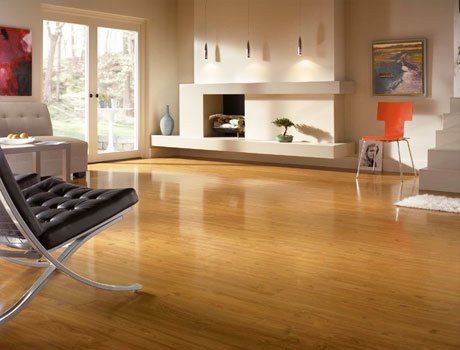
Light oak, pale timber and natural beige tones can make smaller rooms feel more open and complement many contemporary interiors. Medium timber shades offer a balanced appearance, while darker finishes can create a more dramatic look in larger spaces with sufficient natural light.
Think about your existing cabinetry, furniture and wall colours before deciding. Choosing flooring that contrasts slightly with your furniture can create definition, while similar tones may produce a more consistent appearance.
Texture matters, too. Wood-grain patterns can add visual depth, while different surface finishes can create either a modern or traditional atmosphere.
Whenever possible, view physical samples in your home. Lighting conditions can make the same flooring appear different in a showroom and in your own rooms.
How Do You Choose Laminate Flooring for Busy Households?
Homes with children, pets or frequent visitors need flooring that can handle everyday activity. Look for products with suitable wear resistance and follow the manufacturer's guidance on cleaning, furniture protection and expected use.
Check the product's abrasion or wear classification rather than assuming all laminate products offer the same durability. Quality, construction and intended application can vary between ranges.
It is also important to understand moisture limitations. Standard laminate flooring is not necessarily waterproof, and spills left unattended can damage some products or their joints. If you are considering flooring for a kitchen or another area exposed to moisture, check the specific product's water-resistance claims and installation requirements.
Bathrooms and other persistently wet areas may require a different flooring solution, depending on the manufacturer's recommendations.
Does Laminate Flooring Thickness Make a Difference?
Thickness is one factor to consider, but thicker flooring is not automatically better. The quality of the core, surface layer, locking system and overall construction also influence performance.
Compare product specifications and ensure the flooring is suitable for the intended room. Ask whether underlay is included or required, and check compatibility with your subfloor and any existing flooring.
Proper subfloor preparation is particularly important. Uneven surfaces can contribute to movement, gaps or problems with the locking joints. Professional assessment can help identify issues before installation begins.
How Much Should You Budget for Laminate Flooring?
The overall cost depends on the product range, area to be covered, subfloor condition, installation complexity and additional materials.
When comparing quotes, check whether measurements, old-floor removal, floor preparation, underlay, trims and installation are included. A lower material price may not represent the best overall value if extra work is required.
For homeowners comparing options locally, Betta Floors Perth can help you explore suitable flooring choices for your property. Visit the laminate flooring Perth to learn more and discuss your flooring requirements.
What Is the Best Way to Make Your Final Decision?
The best laminate flooring is one that suits your room, household activity, preferred style and budget. Compare durability specifications, check moisture limitations, examine samples in your home and confirm that your subfloor is suitable.
Before ordering, request clear information about the product, installation process, warranty conditions and ongoing care. Taking these steps can help you choose flooring with confidence and achieve an attractive, practical result for your home.
Frequently Asked Questions
Does laminate flooring thickness make a difference?
Thickness is one factor to consider, but thicker flooring is not automatically better. The core quality, locking system and surface layer also affect performance.
Is laminate flooring waterproof?
Standard laminate flooring is not necessarily waterproof. Check the manufacturer's water-resistance claims and installation requirements before using it in areas exposed to moisture.
What should you compare when budgeting for laminate flooring?
Compare material costs, underlay, installation, trims, removal of existing flooring and subfloor preparation to understand the overall project cost.